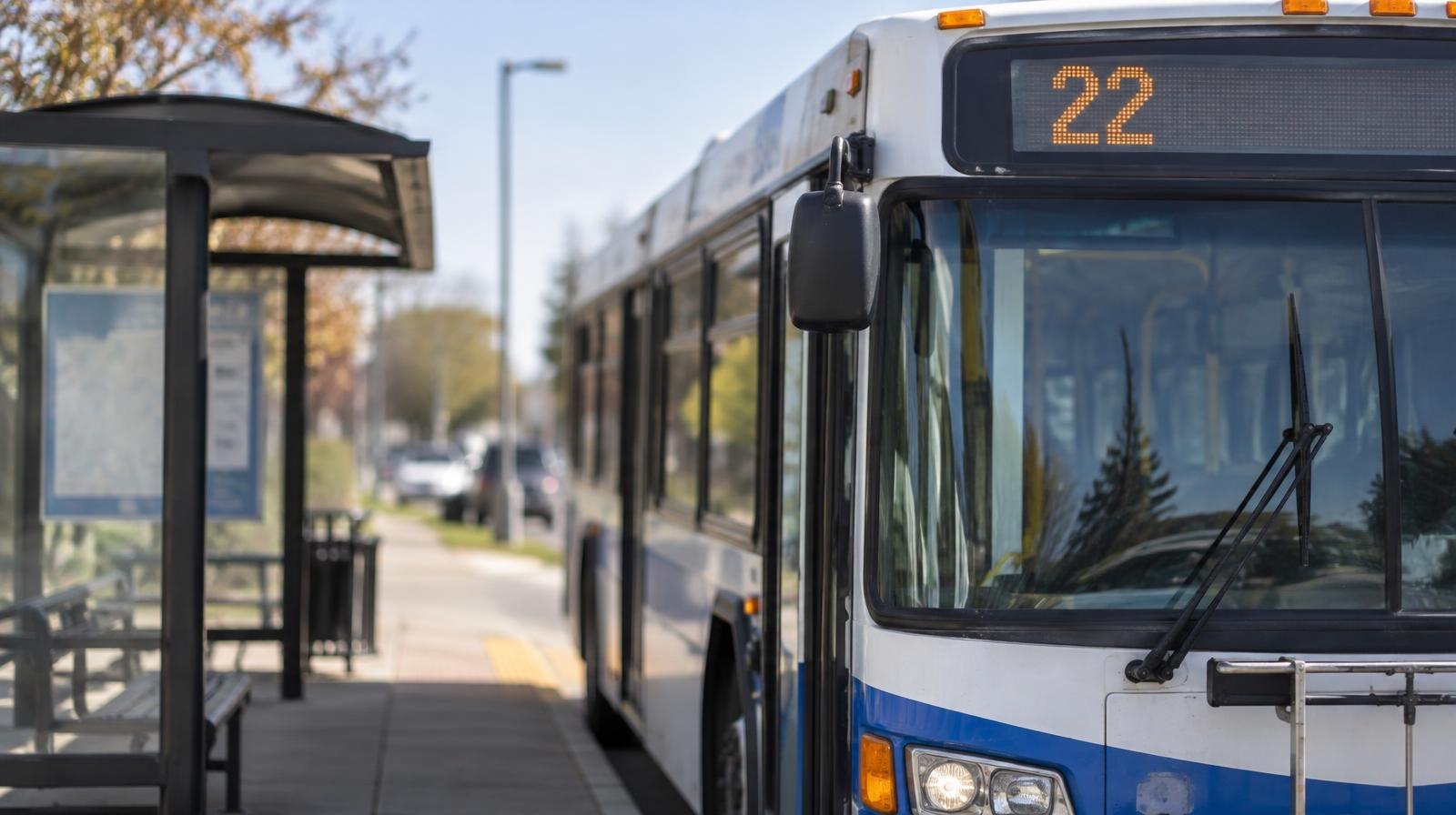
Moorpark City Transit faces a projected $1.4 million operating deficit over the next five years. The bus route connecting Moorpark to Fillmore could lose its grant funding within a year.
The figures come from a Ventura County Transportation Commission sustainability presentation prepared by Claire Grasty, VCTC's director of public transit, and delivered Friday, Oct. 9. A companion TRANSCOM financial overview scheduled for Wednesday, Oct. 14, spells out the numbers.
Under the SB 125 five-year financial plan submitted to the California State Transportation Agency (CalSTA) on June 30, Moorpark City Transit's operating costs will begin exceeding revenues in fiscal year 2028. The total projected shortfall is $1.4 million.
Moorpark's gap is the smallest among the county's three largest deficits. Thousand Oaks Transit faces a $9.5 million projected shortfall and Simi Valley Transit $7.8 million. The countywide total reaches $95 million.
Camarillo Area Transit, the Ojai Trolley and the County of Ventura's Kanan Shuttle are the only operators not forecasting a deficit.
The Valley Express Fillmore-Moorpark route relies on grant funding that will run out in about a year, according to the VCTC presentation. The route launched Aug. 1, 2024, with stops at the Moorpark Metrolink station, Moorpark Marketplace and Moorpark College. Valley Express is also looking to raise fares and shift riders from its more expensive dial-a-ride service to fixed routes.
Moorpark officials have been discussing the funding gap since May. At a May 4 Transportation and Public Works Standing Committee meeting, Senior Management Analyst Michelle Woomer told Mayor Chris Enegren and Councilmember Dr. Antonio Castro that discussions about right-sizing transit should begin. The committee directed staff to develop service-reduction and budget-adjustment scenarios.
The committee met again Sept. 14. Woomer told members that operating costs would rise starting in fiscal year 2027-28. Staff had been evaluating options to "right-size" transit services "in response to an anticipated transit funding gap, as operating costs will exceed available revenues," she said at the meeting.
Enegren and Mayor Pro Tempore Dr. Castro reached a consensus to recommend discontinuing Moorpark City Transit's fixed-route bus service. Staff was directed to bring that recommendation to a future City Council meeting.
Federal uncertainty compounds the pressure. The Infrastructure Investment and Jobs Act (IIJA) expired Sept. 30. Congress passed a continuing resolution through Dec. 11, but it does not include advance appropriations.
Without them, public transit programs face cuts of about 20 percent from current spending levels, according to the VCTC financial overview. The Urbanized Area Formula Program, known as Section 5307, provides most of the Federal Transit Administration funds VCTC receives.
State revenue is also declining. VCTC's main funding source, State Transportation Assistance (STA), dropped from $12.7 million in fiscal year 2023 to $9.2 million in fiscal year 2026. Grasty's presentation described STA as "very volatile and trending down."
VCTC's free-fare programs, including College Ride, Youth Ride Free and Free Fare Days, cost $3 million against $2 million in available revenue. SB 125 funds covering the gap could be spent by fiscal year 2028 or sooner.
To close the gaps, VCTC staff expects to make some service cuts and is evaluating a fare increase for VCTC Intercity service in 2027. The commission is also exploring a potential revenue measure and a Medium Transit Intensive Communities formula funding option.
The TRANSCOM committee meets Wednesday, Oct. 14, at 1:30 p.m. at the VCTC offices, 751 East Daily Drive, Suite 420, Camarillo. The agenda includes a financial overview of all county transit agencies and future items on formula funding and fare agreements.